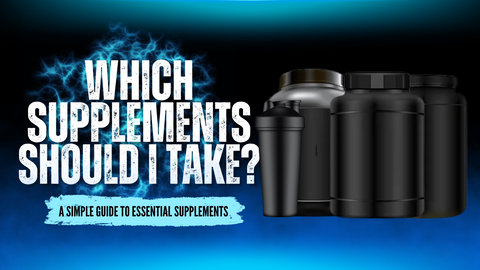
Why Supplements Don’t Work: The Truth Behind the Hype
In the world of health and fitness, supplements often come with big promises—faster muscle growth, instant fat loss, or boosted energy levels. But for many, the results don’t match the hype. So, why don’t supplements work as advertised? The answer lies not in the supplements themselves but in how people use them. Here’s a breakdown of the common mistakes that prevent supplements from delivering the results you’re looking for.
Supplements Aren’t Magic Pills: Build the Right Foundation

One of the biggest misconceptions about supplements is that they can replace a solid diet and exercise routine. Unfortunately, there’s no shortcut to achieving a healthy body or significant fitness results. Supplements are designed to support your goals, not achieve them for you.
Why a Balanced Diet and Exercise Are Key
- Diet: A well-balanced diet rich in whole foods provides the macronutrients and micronutrients your body needs to function. Supplements can fill gaps, but they can’t outwork poor eating habits.
- Exercise: Supplements won’t build muscle or burn fat unless paired with consistent workouts. Think of them as the cherry on top—not the entire sundae.
Why You Shouldn’t Fall for the “Magic Pill” Mentality
Marketers know that people crave fast solutions, and many supplements are designed to appeal to this mindset. Phrases like “shred fat in 7 days” or “build muscle instantly” are red flags. In reality, these products are rarely effective and often underdosed.
Setting Realistic Expectations
- Understand that supplements are a tool, not a miracle cure.
- Look for brands that provide transparent dosing and ingredient lists backed by science.
You’re Buying the Wrong Supplements: Common Pitfalls to Avoid

Not all supplements are created equal, and many people fall into the trap of buying products that don’t align with their goals. For instance:
- Taking a fat burner when your diet isn’t under control.
- Prioritizing pre-workouts over protein when muscle recovery is your goal.
How to Choose the Right Supplements
- Focus on products that align with your specific needs. For example:
- If you’re building muscle, prioritize protein powder, creatine, and EAA’s.
- For overall health, consider Zinc, Vitamin-C or omega-3s.
- Avoid trendy supplements that promise quick fixes—they rarely deliver.
Focusing on the Wrong Types of Supplements: What You Should Know
Many people invest in flashy, overhyped products instead of foundational ones that actually work. Companies market exotic ingredients and new “breakthroughs” while ignoring tried-and-true basics.
Stick to Proven Supplements
- Research-backed products include:
- Whey protein for muscle repair.
- Creatine monohydrate for strength and performance.
- Caffeine for energy and focus.
- Vitamin D for overall health.
- Avoid supplements that claim to do everything—they often do very little.
Over-Marketed, Underdosed Supplements: The Hidden Problem

The supplement industry is notorious for underdosing key ingredients while overhyping their benefits. For example, a pre-workout might include creatine but at only 0.5 grams per serving—far below the typical effective dose of 3-5 grams.
Tips for Avoiding Underdosed Products
- Learn to evaluate supplement labels. Look for:
- Full transparency in ingredient amounts.
- Clinically effective doses (e.g., 6-8 grams of citrulline malate for improved performance).
- Avoid proprietary blends, which often hide underdosed ingredients behind vague labels.
How to Make Supplements Work for You
If you’ve made some of these mistakes, don’t worry—you’re not alone. Here’s how to turn things around and get the most out of your supplements:
- Fix Your Diet First: Focus on whole foods rich in protein, healthy fats, and complex carbs. Use supplements only to fill gaps, not as your main source of nutrition.
- Pair with Consistent Exercise: Whether your goal is muscle gain or weight loss, supplements are only effective when combined with a well-structured training plan.
- Do Your Research: Stick to reputable brands with scientifically backed ingredients and avoid products with too-good-to-be-true claims.
- Start with the Basics: Build your supplement stack around essentials like protein, creatine, and a multivitamin. Add specialty products only when your foundation is solid.
The Bottom Line
Why don’t supplements work? Because they aren’t meant to work alone. They’re designed to complement a healthy lifestyle, not replace it. By avoiding common pitfalls like relying on magic pills, choosing underdosed products, or skipping the basics, you can make supplements an effective part of your health and fitness journey.