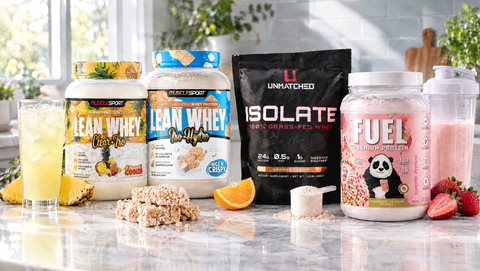
Are Protein Shakes Good for You? The Truth About Their Benefits and Risks
Introduction
Protein shakes have become a staple in the fitness and wellness industry. Whether you’re an athlete, bodybuilder, or someone looking to maintain a healthy lifestyle, you’ve probably considered adding protein shakes to your diet. But are protein shakes actually good for you? In this article, we’ll explore the benefits, potential drawbacks, and the best ways to incorporate them into your routine.
Are Protein Shakes Good for You: Benefits of Protein Shakes
1. Supports Muscle Growth and Recovery
Protein is essential for muscle repair and growth. The ISSN position stand on protein (Jäger et al. 2017) reports that most exercising people do well with about 1.4 to 2.0 g of protein per kg of body weight per day, and shakes are one convenient way to get there. Athletes and fitness enthusiasts use protein shakes to help support muscle recovery.
2. Convenient and Time-Saving
For those with busy schedules, protein shakes provide a quick and easy way to meet daily protein requirements without having to cook a full meal. They are perfect for on-the-go nutrition and can be consumed anywhere, making them a great option for people with fast-paced lifestyles.
3. Aids in Weight Management
Protein is known to increase satiety, helping to reduce overall calorie intake. High-protein diets have been linked to better weight management. Protein shakes can help curb cravings and keep you feeling full for longer, preventing overeating and unhealthy snacking.
4. Supports Lean Mass During a Calorie Deficit
The thermic effect of food (TEF) is higher for protein than for carbs or fats, meaning your body burns more calories digesting protein. Additionally, higher protein intake helps preserve lean mass during a calorie deficit.
5. Helps Meet Dietary Needs
People with higher protein requirements, such as athletes, vegetarians, or older adults, may find it difficult to get enough protein from whole foods alone. Protein shakes help bridge this gap and provide a reliable source of high-quality protein. They are particularly useful for individuals who struggle to meet their protein goals through regular meals.
6. Improves Workout Performance
Consuming a protein shake before or after exercise can provide the necessary nutrients to fuel workouts and enhance performance. Protein supports muscle repair, which fits into a consistent training routine.
Are Protein Shakes Good for You: Potential Risks of Protein Shakes
1. Overconsumption of Calories
While protein shakes can aid in weight loss, excessive intake can lead to a calorie surplus, potentially resulting in weight gain. Some protein powders contain added sugars and high-calorie ingredients that may contribute to excess calorie intake.
2. Nutrient Imbalance
Relying too much on protein shakes rather than whole foods can lead to a lack of essential vitamins, minerals, and fiber in the diet. Whole foods provide a broad range of nutrients that protein shakes alone cannot offer, so it’s crucial to maintain a balanced diet.
3. Possible Digestive Issues
Some people may experience bloating, gas, or digestive discomfort when consuming protein shakes, especially those containing lactose. If you have a sensitive stomach, consider lactose-free or plant-based protein powders.
How to Choose the Right Protein Shake
To maximize benefits while minimizing risks, consider the following:
- Check the ingredient list: Opt for protein powders with minimal additives and artificial ingredients.
- Choose a high-quality protein source: Whey, casein, and plant-based proteins (pea, hemp, rice) are excellent choices.
- Look for third-party testing: Ensure the product is tested for purity and free from contaminants.
- Balance it with whole foods: Use protein shakes as a supplement, not a meal replacement, unless advised by a nutritionist.
- Consider your dietary needs: If you have allergies or dietary restrictions, choose a protein powder that fits your nutritional requirements.
Conclusion: Are Protein Shakes Good for You?
Protein shakes can be an excellent addition to your diet when used correctly. They offer convenience, support muscle growth, enhance weight management, and improve workout performance. However, they should not replace whole foods, and it’s essential to choose high-quality protein powders with minimal additives.
If you have dietary restrictions or health concerns, consult a healthcare professional before incorporating protein shakes into your routine.
Final Thought
When used strategically, protein shakes can be a powerful tool to help you reach your health and fitness goals. The key is moderation, quality, and balance with a nutrient-rich diet.